Designing for affordable housing in Illinois isn’t the same as designing for market-rate development. The financing is more complex. The regulatory requirements are different. The ownership timeline is longer. And the stakes — for both developers and residents — are higher.
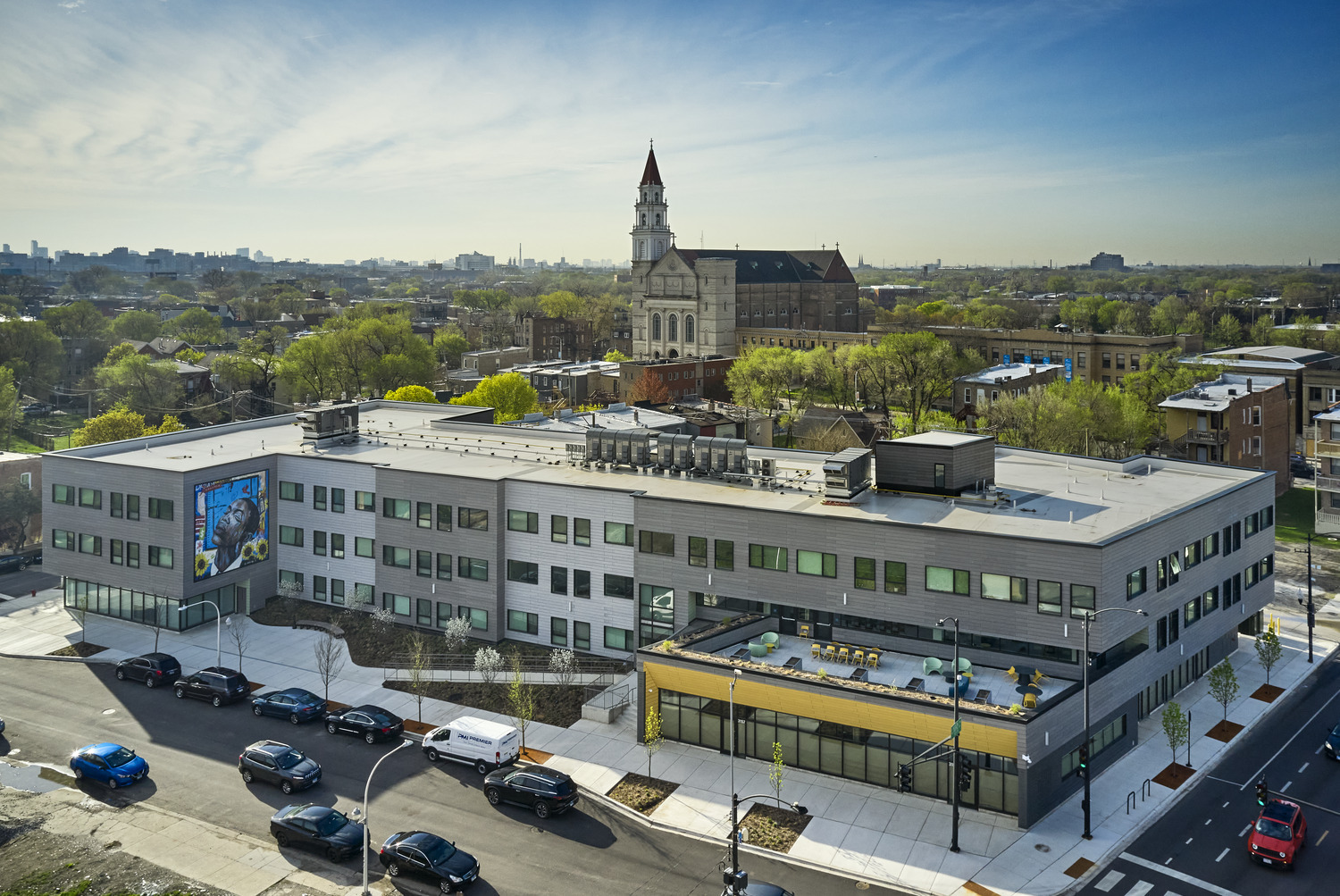
Working on projects like Fifth City Commons, Casa Yucután and McHenry Commons has shown us how to be the right site design partner for developers navigating this complexity, from competitive Low Income Housing Tax Credit (LIHTC) and grant applications through long-term operations.
Designing landscapes that last — and can be maintained
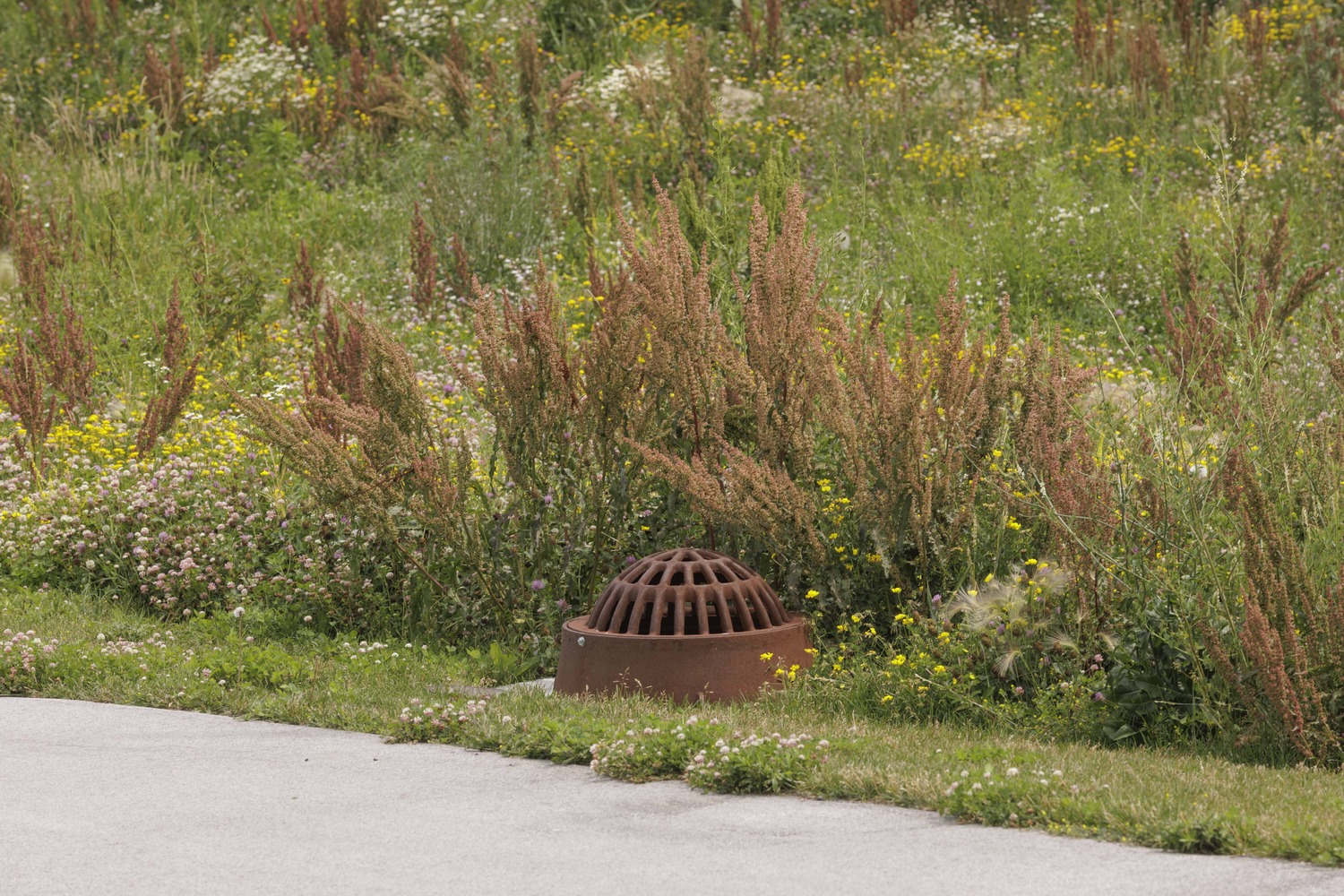
At Fifth City Commons, one requirement was applying green infrastructure principles to manage stormwater on site. Working with the civil engineer, we designed a bioswale adjacent to the parking area to capture runoff. But the bigger design question was: what happens in five years when the original maintenance crew has moved on and someone new is caring for this landscape?
We specified native plantings that thrive in difficult urban conditions: wet soils for the bioswale, but also drought-tolerant species for those hot summer weeks. Limiting the number of species in the planting mix allows building staff who aren‘t landscape professionals to identify and care for the landscape more easily.

”We design landscapes with maintenance in mind,“ explains Peter Graves, Greenprint’s Director of Landscape Architecture. ”Even when using native plants well adapted to urban environments, we simplify maintenance by grouping similar plants together and limiting the number of species used.“
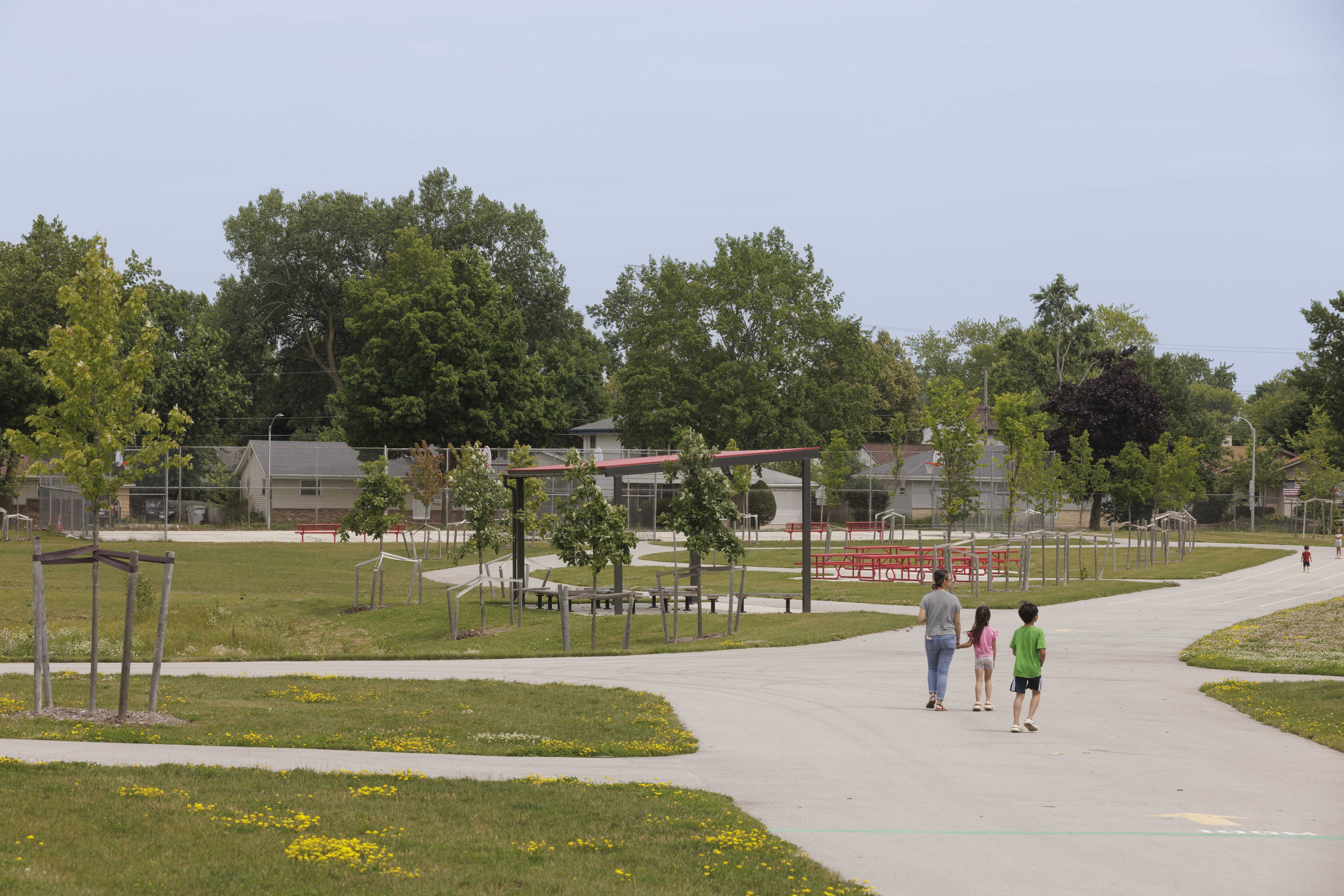
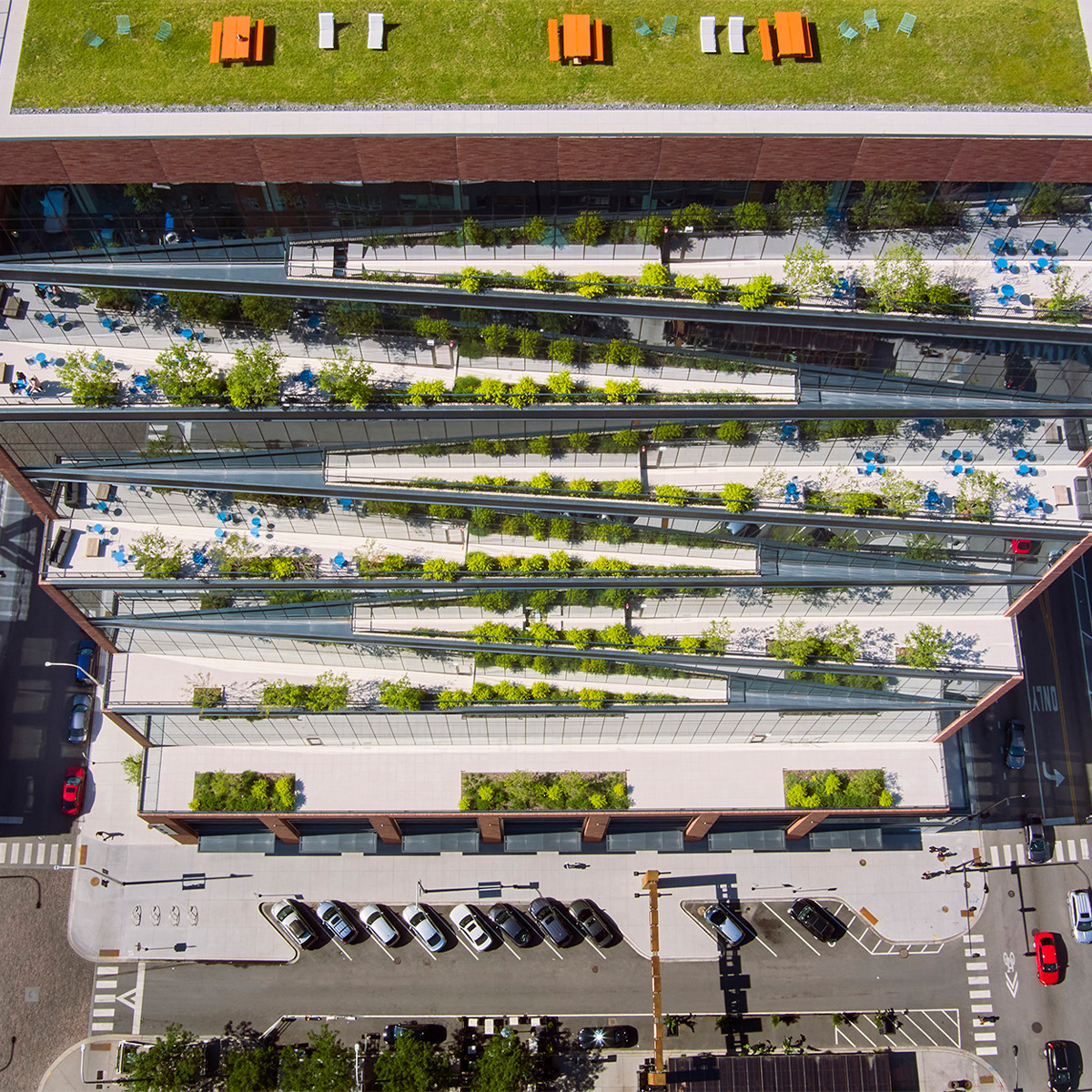
The same principle applies at Casa Yucután, currently under construction. The project includes a green roof and an outdoor play space to meet IHDA’s requirements for non-senior affordable housing. Both were designed not just to meet regulatory checkboxes, but to remain functional and attractive through years of Chicago weather and heavy use by residents.
Understanding how financing shapes design
Working on affordable housing projects means understanding how different funding sources create different requirements, and how those requirements affect both project timelines and design outcomes.
Chicago’s Affordable Requirements Ordinance requires flowering trees, native plantings and substantial landscape improvements for street-facing properties. The Illinois Housing Development Authority (IHDA) mandates outdoor play spaces for non-senior housing. DOH has its own review process and standards. For us, these aren’t just checkboxes, they’re opportunities to create outdoor spaces that provide seasonal interest and genuine community benefit. But meeting them requires understanding how they intersect with project budgets and timelines.
We also coordinate early with agencies like the Chicago Bureau of Forestry and Chicago Department of Transportation (CDOT) to confirm requirements before design begins. That upfront investment, whether meeting with the Bureau to discuss street tree preservation or reviewing stormwater requirements with the city, prevents weeks of redesign later when those issues surface during permitting.
Because we understand how competitive the funding process is, we frequently provide written design narratives and conceptual landscape plans for LIHTC applications. Complete conceptual plans help developers put together more competitive applications and demonstrate site feasibility to funders. It’s also how we signal our commitment to being a teaming partner from day one, not just after funding is secured.

Creating amenities and solving stormwater challenges with green infrastructure
At McHenry Commons, the site was originally planned as part of a larger downstream detention system. Over time, changes to the overall stormwater program meant the site no longer aligned with current requirements.
”By digging into old permits, researching past documentation and having several conversations with the Village, we figured out a path that let us design a much smaller on-site solution,” explains Alex Heidtke, Greenprint‘s Engineering Manager.
The development team had allocated space for a full detention basin. Instead, we proposed a rain garden that outlets directly into the existing regional system. It provided the required storage volume in a more efficient, planted amenity. Visible, surface-level green infrastructure instead of an oversized underground basin.
The rain garden cost less, took up less space and aligned with our approach to stormwater management: systems that residents can see, that provide habitat and visual interest, and that function as amenities rather than purely engineering solutions.

Staying involved after substantial completion
For projects like Fifth City Commons, our engagement doesn’t end when construction wraps. We maintain relationships with developers and residents through the full landscape warranty period, typically one to two years after substantial completion.
We provide maintenance advisory services and general post-completion guidance. When building staff have questions about caring for plantings, or when issues emerge with site systems, we’re there to troubleshoot before small problems become expensive failures.
If a landscape doesn’t hold up over time, the initial design decisions didn’t account for the full lifecycle of the project. Staying involved through the warranty period helps ensure the systems we design perform as intended.
____
Affordable housing development in Illinois isn’t getting easier. Funding remains competitive, regulations continue to evolve and the need for quality housing keeps growing.
But the projects that succeed are the ones built with long-term operations in mind from day one — not just compliant design, but thoughtful choices that set developers and residents up for decades of success.


.jpeg)